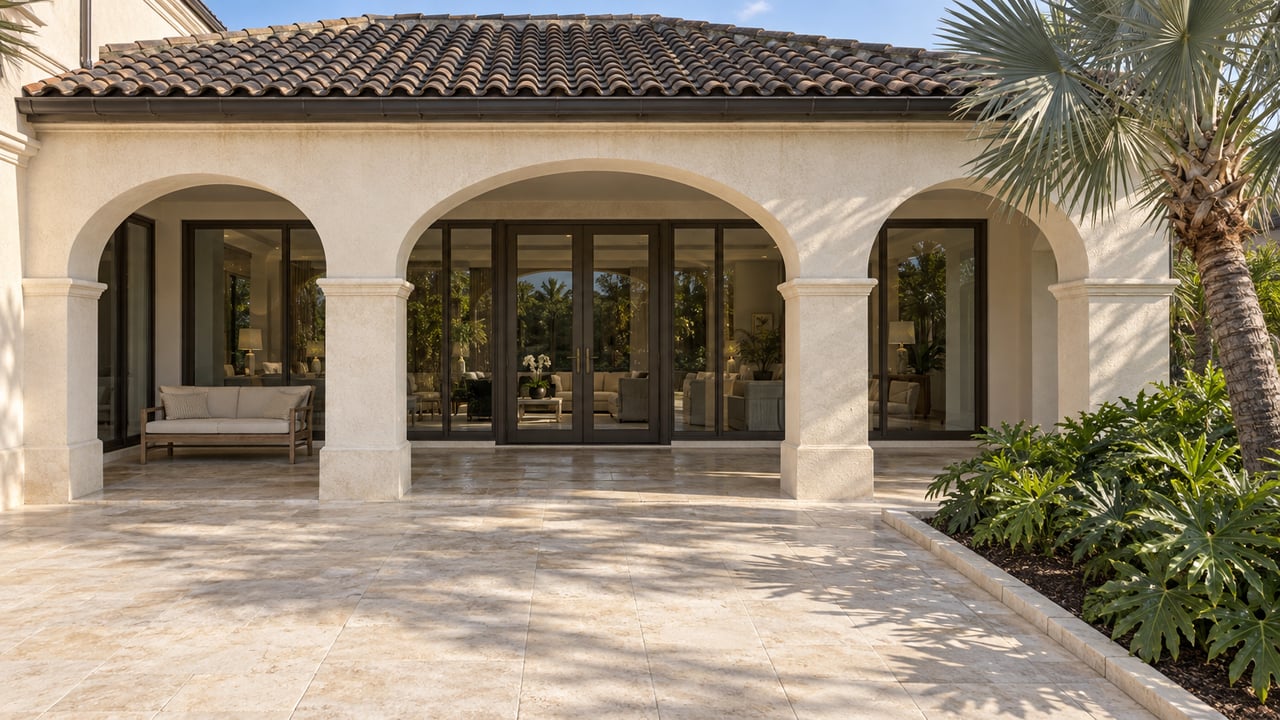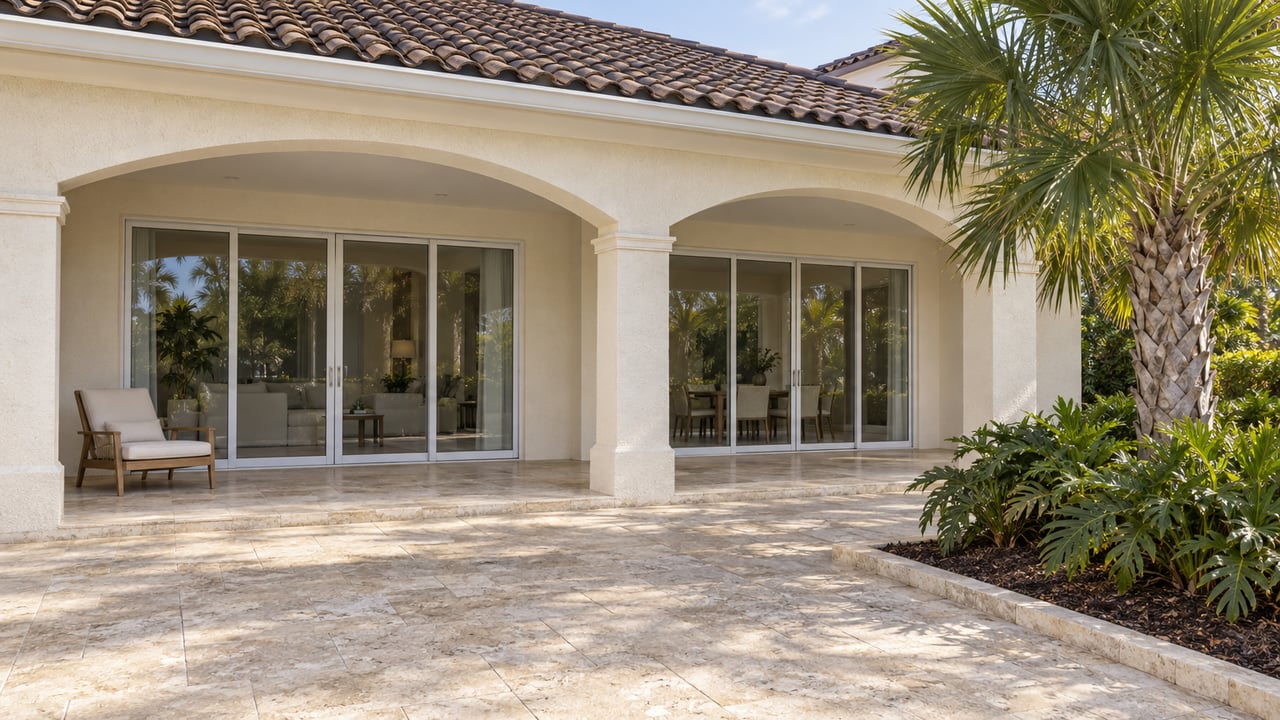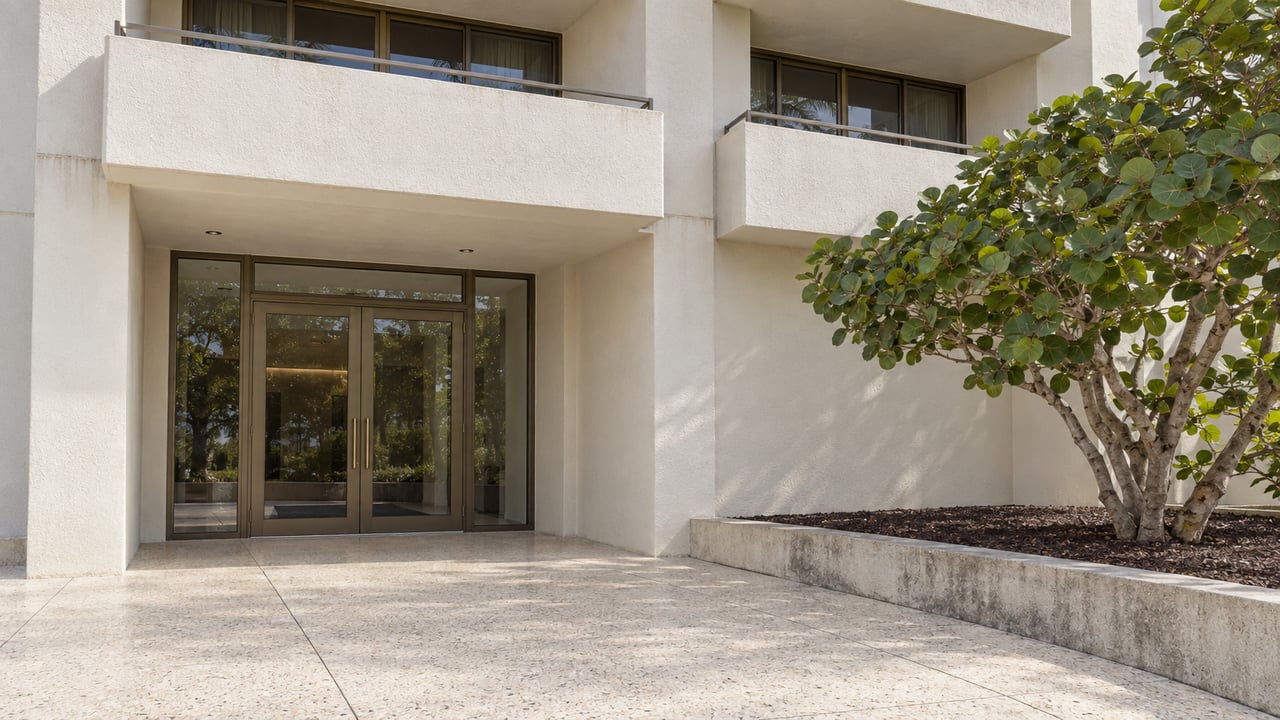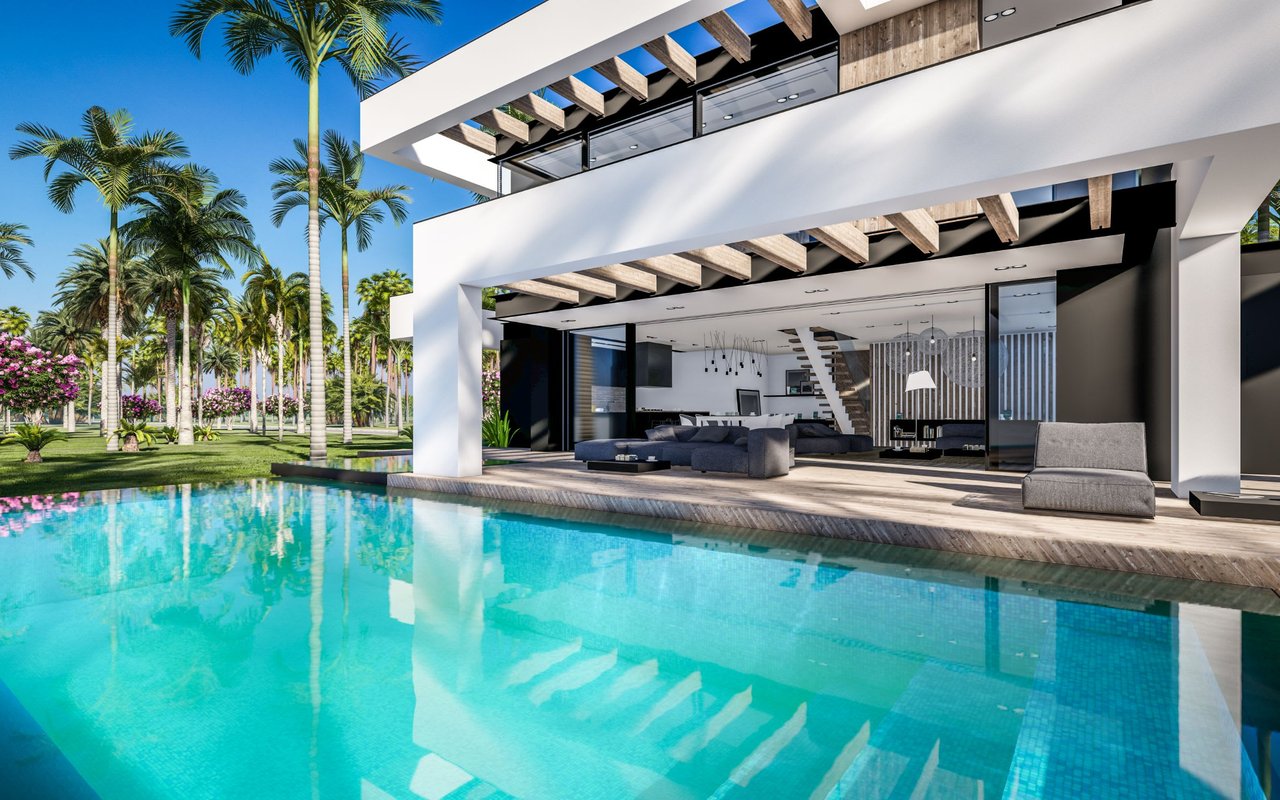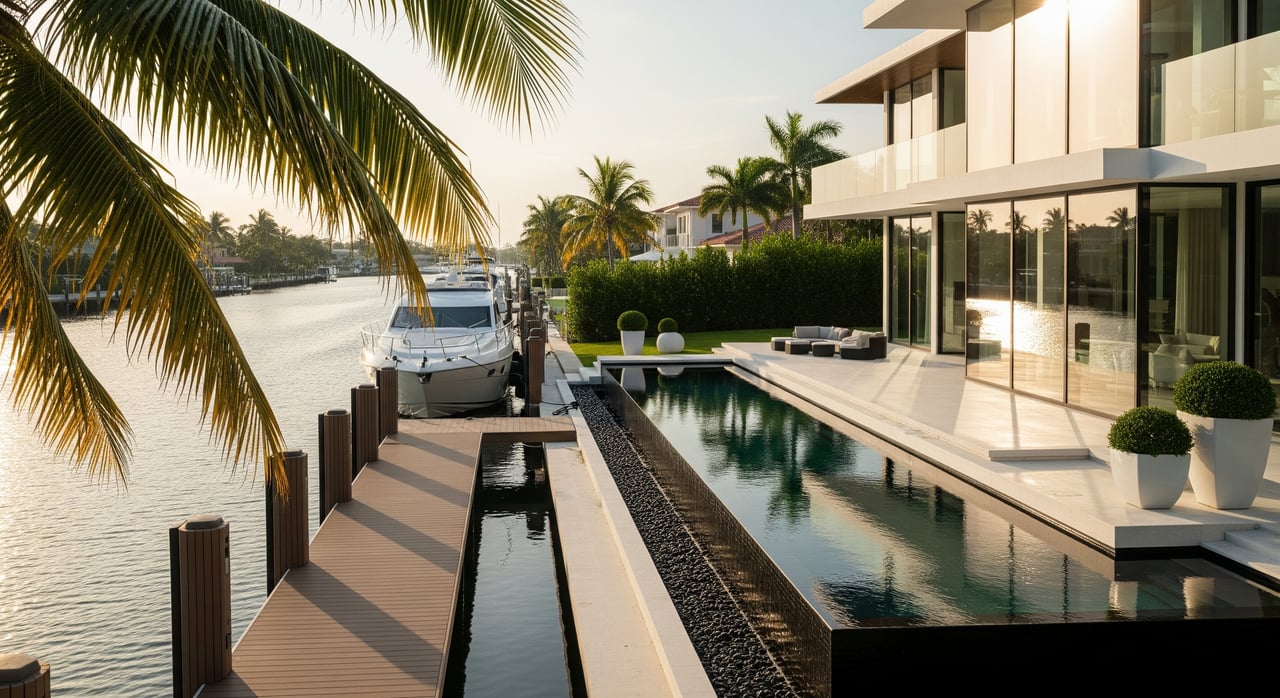
Why can two Fort Lauderdale homes look similar yet sell for very different prices? If you are eyeing a waterfront estate or a high‑floor condo, you want to know what truly moves value. You also want a simple way to compare options without getting lost in noise. In this guide, you’ll learn how the luxury market is segmented, where premiums come from, and which metrics help you time your move. Let’s dive in.
How luxury is defined locally
“Luxury” in Fort Lauderdale typically means properties well above the local median with standout features, especially waterfront access, private docks, ocean views, or high‑service condo towers. The most important submarkets include oceanfront, Intracoastal and canal waterfront, inland luxury enclaves, and modern luxury high‑rises. Each plays by its own pricing rules.
You will see trophy estates, seasonal second homes, and full‑time residences in the mix. Buyers often come from the Northeast, Midwest, within Florida, and internationally. Cash is common at the top end, although jumbo financing remains part of the picture.
The big takeaway: compare like with like. Oceanfront vs Intracoastal vs non‑waterfront are different worlds, so your comps must match your specific water type, view, neighborhood, and property class.
Waterfront factors that move price
Water type and exposure
Water type is the dominant driver for many buyers. Direct oceanfront carries the largest premium because of beach access and uninterrupted Atlantic views. Intracoastal on wide or deep waterways with ocean access is highly prized, especially for larger yachts. Side canals and basins offer utility and appeal but often trade below wide Intracoastal or ocean exposure.
Orientation and view lines matter. Unobstructed sunrise or long‑view corridors typically command higher price per square foot. If you value privacy and sightlines, analyze view obstructions carefully, especially near bridges and busy waterways.
Dockage and boating capability
Private deep‑water docks that handle larger vessels are a major price lever. Length, depth, condition, and the presence of lifts all influence value. Permitting status and whether a dock is grandfathered or recently permitted can affect marketability and future improvement options.
If boating is central to your lifestyle, align the permitted dock length and depth with your vessel now, not later. Adjust comp values for dock capacity differences just as you would for lot size or renovated interiors.
Beach access and views
Private or deeded beach access increases appeal compared with reliance on public access. High‑floor ocean or Intracoastal views in luxury towers often command a strong premium, especially with protected view corridors. For condos, the specific stack and orientation can be as valuable as the building name.
Location and neighborhood signals
Proximity to Las Olas Boulevard, downtown Fort Lauderdale, and boating corridors shapes demand. Prestige neighborhoods such as Harbor Beach, Rio Vista, Las Olas Isles, Victoria Park, and the Fort Lauderdale Beach corridor see strong price support because of scarcity and lifestyle.
Walkability, services, and daily convenience matter for full‑time residents. If two homes are similar, the one with a simpler daily routine and easier access to dining and marinas often carries a premium.
Property and build quality
Lot size, usable outdoor space, and amenities like pools and guest houses push single‑family values higher. New construction or recently renovated homes often sell at a premium to older stock, especially when finishes, ceiling heights, and systems reflect modern standards.
Elevation and flood mitigation are increasingly priced in. Raised slabs, upgraded seawalls, and documented resilience measures signal long‑term stewardship and can support value compared with unmitigated peers.
Condo fundamentals to watch
Tower reputation and services
Tower age, design, layout quality, and service level all matter. High‑service buildings with concierge, security, and robust amenities can support higher price per square foot. Parking and storage availability add tangible convenience many buyers will pay for.
Dues, reserves, and assessments
HOA dues, reserve funding, and special assessment history affect carrying costs and buyer confidence. At the very top end, higher dues are acceptable when service quality and amenities clearly justify them. Buyers still weigh net cost against purchase price when comparing towers.
Single‑family dynamics to weigh
Land ownership, private outdoor space, and the ability to customize docks and grounds often drive single‑family demand. For waterfront estates, permitted dockage, seawall condition, and ocean access are central to value.
Carrying costs differ from condos. You avoid HOA dues, but you assume full responsibility for insurance, taxes, and maintenance. Many buyers accept the tradeoff for privacy and control, especially when they own larger boats.
The waterfront premium explained
Waterfront carries a premium, but the size of that premium depends on water type and neighborhood. Direct oceanfront sits at the top. Wide or deep Intracoastal with ocean access offers a notable uplift over nearby non‑waterfront comparables. Side‑canal properties typically show a smaller premium than wide‑water counterparts.
You can express the premium as a percentage over similar non‑waterfront sales or as a price per square foot differential. Both are useful. The key is to measure within the same micro‑area and to adjust for dock capacity, view quality, lot size, and renovation level.
Market forces and timing
Seasonality plays a role. The high season typically runs from roughly November to April, when seasonal residents are present and many luxury closings take place. Listings often increase ahead of season, which can affect both visibility and competition.
Interest rates and jumbo mortgage availability shape velocity, even with a high share of cash purchases. Local inventory and months of supply are powerful signals. A months of inventory figure below 6 usually indicates a seller‑leaning market. Rising inventory shifts leverage toward buyers.
New luxury tower deliveries can temporarily increase condo inventory and reset price ceilings for older buildings. On the single‑family side, scarce waterfront lots in premier neighborhoods keep structural pressure on prices, with multiple bids possible when quality listings are tight.
Insurance, flood, and permitting
Insurance cost and availability are central to carrying costs. Wind and flood policies, deductibles, and lender requirements can affect both affordability and buyer appetite. Flood zone designations and new mapping can change expected premiums, so you should verify the current designation and elevation as part of due diligence.
Local permitting matters for docks and seawalls. Confirm whether improvements are permitted and up to current standards. For buyers, professional inspections and permit history checks help you understand replacement costs and timelines. For sellers, proactive documentation and recent engineering reports can increase confidence and shorten time to contract.
How to price and evaluate
Use a data‑first approach so you can defend your number and move decisively.
- Define your segment precisely: oceanfront, Intracoastal wide water, side‑canal, or non‑waterfront; condo vs single‑family; specific neighborhood.
- Gather recent closed sales from the last 6 to 12 months that match your segment. Pay close attention to dock length, depth, view orientation, lot size, and renovation level.
- Review active and pending listings to understand competition and time to contract.
- Calculate price per square foot bands for true comps and note low, median, and high. Do not rely on a single point estimate.
- Track months of inventory, list‑to‑sale price ratios, and days on market for your subset.
- For condos, evaluate HOA dues, reserves, special assessments, and capital improvement histories.
- For all properties, obtain insurance quotes, confirm flood zone and elevation, and review permit histories and seawall status.
When you adjust comps, be transparent about why a property deserves a premium. A longer permitted dock, a protected long view, or a newer roof and systems often justify higher pricing. For older or unmitigated properties, account for functional obsolescence and upcoming capital needs.
Signs of leverage in today’s market
- Seller advantage: months of inventory below 6 in your exact segment, multiple recent closed sales at or above list, short days on market for top‑tier listings, limited direct competition.
- Buyer advantage: rising inventory in your micro‑market, longer days on market, noticeable list‑to‑sale discounts, new construction supply increasing nearby, and sellers offering credits for insurance or upcoming improvements.
Smart buyer checklist
- Confirm your boating needs: permitted dock length, depth, lift capacity, and bridge clearances to the ocean.
- Validate view lines and orientation in person, at different times of day.
- Obtain insurance quotes early for wind and flood; confirm deductibles and lender requirements if financing.
- Review flood zone, elevation, seawall condition, and any documented mitigation measures.
- For condos, study HOA financials, reserves, and assessment history; scrutinize maintenance plans and recent projects.
- Compare price per square foot within the same micro‑area and water type, then layer in qualitative factors like privacy and noise.
- Verify permit histories for docks, seawalls, and major renovations.
Smart seller checklist
- Segment your comps tightly by water type, neighborhood, and property class.
- Prepare documentation: recent surveys, elevation certificates, permits, seawall reports, and major system updates.
- Highlight high‑value features clearly: dock capacity, ocean access, view orientation, recent renovations, smart systems.
- Time your launch: consider pre‑season exposure and staging so you are show‑ready as peak demand approaches.
- Monitor months of inventory and competing listings weekly; be ready to pivot on price or incentives if new supply appears.
- For condos, position your unit against both newer towers and recently renovated peers with a clear value story.
Final thought
In Fort Lauderdale, luxury value is not a mystery. It is a set of measurable factors: water type, dock capacity, view quality, neighborhood scarcity, build condition, carrying costs, inventory, and seasonality. When you analyze the right subset and verify the details, you can price with confidence and move at the right moment.
If you want a tailored, data‑driven plan for your property search or sale, request a private consultation with Brady Thrasher. You will get concierge guidance, local luxury expertise, and seamless support for cross‑border transactions when needed.
FAQs
How much more does waterfront add in Fort Lauderdale?
- Waterfront premiums vary by water type and neighborhood, with the largest uplift on direct oceanfront, notable premiums on wide or deep Intracoastal with ocean access, and smaller premiums on side‑canal locations compared with wide water.
Should I choose a luxury condo or a single‑family home?
- Condos often have higher price per square foot for views and services with lower on‑site maintenance, while single‑family homes offer land, privacy, customization, and private dockage that many boat owners prefer.
How do dock length and depth affect value?
- Permitted dock length, depth, condition, and lift capacity directly influence pricing because they determine the size and type of vessel the property can support.
How do insurance and flood zones impact buying power?
- Wind and flood insurance costs, deductibles, and flood zone requirements affect carrying costs and financing, so obtain quotes early and factor them into your total budget.
When is the best time to sell a luxury waterfront home?
- Activity often concentrates from roughly November to April, but timing depends on your segment’s inventory, months of supply, and how your home stacks up against current competition.
What makes a newer luxury tower command higher prices?
- Modern towers often offer stronger amenities, higher service levels, efficient layouts, and contemporary construction that reset price ceilings for comparable older buildings.
How do I verify seawall and dock status before buying?
- Order professional inspections, review permit histories, and obtain engineering reports as needed to confirm condition, compliance, and potential replacement costs.