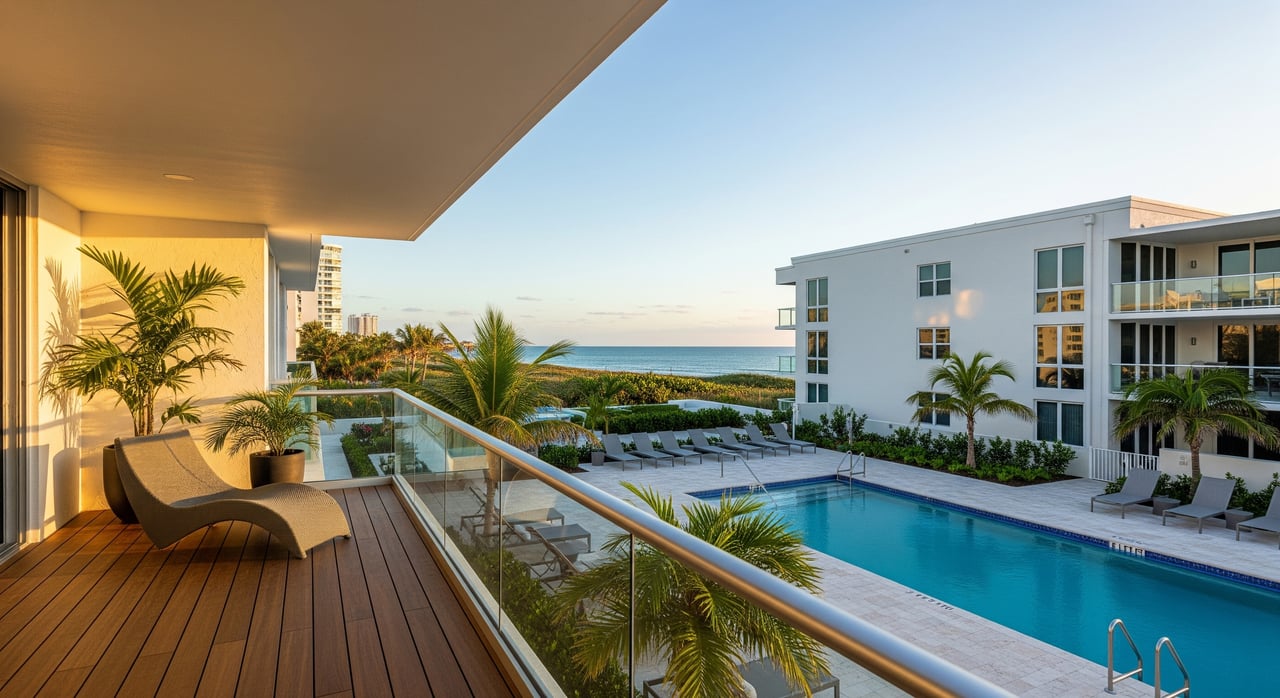
Shopping a beachfront condo on Galt Ocean Mile should feel exciting, not uncertain. Yet the number that matters most is often the one you never see in the listing: the association’s reserves. Strong reserves and current engineering reports can protect your budget and your peace of mind. In this guide, you’ll learn what Florida reserves are, how to read the right documents, and the local factors that affect your costs and financing in Broward’s coastal corridor. Let’s dive in.
Florida condo reserves in plain English
Reserves are the association’s savings for big-ticket repairs to common elements like roofs, elevators, concrete, waterproofing, seawalls, and building systems. Under the Florida Condominium Act (Chapter 718), associations must prepare budgets and maintain financial records that owners can review. Many communities commission reserve studies to estimate when major components will need repair and how much they will cost, then fund those needs through monthly assessments. There is no single statewide percentage that every association must fund, so the building’s study, budget, and actual reserve balance matter.
After the Surfside tragedy, Florida and local jurisdictions increased scrutiny of structural safety and recertification. That means engineering reports, recertification letters, and code compliance records are now routine parts of due diligence. As a buyer, you should expect to review more technical documents than in years past and to see associations planning multi-year capital projects.
How reserves affect your bottom line
- Monthly dues are split between operations and reserve contributions. Low reserves can make fees look attractive today but raise the risk of larger bills later.
- Special assessments cover capital needs that reserves cannot. These can be planned or emergency, and they directly affect your cash flow.
- Insurance deductibles for wind, hurricane, and flood can be significant. Associations sometimes assess owners to cover deductibles after a claim.
- Engineering and recertification findings can trigger repair timelines. If a report flags structural concerns, expect tighter lender reviews and potential fee or assessment changes.
The documents you should see before you commit
Request these from the seller, listing agent, or association, and plan time to review them during your contingency window.
Current association budget
Why it matters: Shows monthly fee allocation between operating expenses and reserves.
What to spot: Minimal or zero reserve contributions, sudden fee spikes, or numbers that seem low given the building’s age and scope.Most recent reserve study and engineer’s capital needs assessment
Why it matters: Estimates timing and cost of major repairs and replacements.
What to spot: Studies older than 2 to 3 years, missing components like balconies, parking garages, or seawalls, and overly optimistic cost assumptions.Reserve account statements and current balance
Why it matters: Confirms cash on hand to fund projects.
What to spot: Low balances relative to the study, or commingled funds without clear segregation.Board and member meeting minutes for the last 12–24 months
Why it matters: Reveals upcoming projects, contractor issues, and assessment discussions.
What to spot: Repeated emergency repairs, unresolved vendor disputes, or frequent assessment proposals.Resale certificate/estoppel letter
Why it matters: Official disclosure of dues, assessments, delinquent amounts, litigation, and transfer details for lenders and buyers.
What to spot: Large pending assessments, litigation tied to capital funds, or transfer restrictions.Recent financial statements and CPA review or audit
Why it matters: Shows income and expense trends and whether statements are audited, reviewed, or compiled.
What to spot: Operating deficits, negative net positions, or reliance on reserves to cover operations.Master insurance policies and deductibles
Why it matters: Clarifies coverage and per-event deductibles, critical after storm or seawater events.
What to spot: High wind or flood deductibles, gaps in coverage, or non-renewals.Special assessment history and construction contracts
Why it matters: Assessment patterns show the association’s funding approach.
What to spot: Frequent large assessments or phased plans indicating bigger increases ahead.Structural inspection and recertification reports
Why it matters: Essential for older or coastal towers; these documents outline safety and compliance.
What to spot: Overdue recertifications, engineer-noted structural concerns, or recommended major repairs.Governing documents
Why it matters: Define reserve policy, special assessment procedures, and decision-making authority.
What to spot: Provisions allowing large assessments with limited owner input, or vague reserve standards.
Note: Under Chapter 718, owners and their authorized agents have rights to inspect many association records. Resale certificates are typically delivered for a fee, so start document requests early.
Galt Ocean Mile specifics to check
Many towers along Galt Ocean and nearby Fort Lauderdale beaches date from the 1960s–1980s. Salt air, tidal influence, and age increase the likelihood of concrete spalling, façade restoration, waterproofing, and elevator modernization in the near term. Sea-level rise and king tides also put a spotlight on seawalls, drainage, and flood planning.
Zero in on these local factors:
- Seawall condition and responsibility. Understand who maintains it and how costs are shared.
- Flood zone designation and insurance. Confirm the building’s flood zone and any past flood claims.
- Structural recertification status. Verify that required inspections are current with city or county expectations.
- Code enforcement history. Ask for recent orders related to structural or façade work.
A practical example: A 1970s high-rise might have a reserve study that anticipates balcony and façade work in the next 5 to 10 years. If reserves sit at a fraction of the projected need, the board may plan multi-year special assessments or fee increases. Both scenarios affect carrying costs and can influence resale timing and price.
Financing and lender considerations
Lenders evaluate a condo project’s financial and structural health during underwriting. Underfunded reserves, large or unpaid assessments, or unresolved inspection findings can delay or derail approvals for conventional, FHA, or VA financing. Some lenders and associations require pending assessments to be paid at or before closing, which can change how you structure your offer. If inspection or recertification reports flag major work, expect deeper lender questions and longer timelines.
Smart questions to ask at each step
At the inquiry or showing
- When was the last structural inspection or recertification, and can you see the reports?
- What is the current reserve account balance and how much of the monthly fee funds reserves?
- Are there pending or recent special assessments, and what is the payment schedule?
During your contingency period
- Request the latest reserve study, 2–3 years of CPA financials, and minutes referencing capital projects or litigation.
- Ask about any city or county orders tied to structural or façade work.
- Confirm wind and flood deductibles, plus how prior deductible costs were handled.
- Clarify timelines and bids for major projects like roofs, waterproofing, seawalls, or parking garages.
Before closing
- Get written confirmation on all special assessments, including what will be due at closing.
- Verify transfer fees and any occupancy or rental rules that affect your plans.
- If financing, confirm the project’s lender approval status and any conditions tied to reserves or inspections.
A quick affordability stress test
Monthly dues alone do not tell the full story. Add a what-if scenario to your budget for coastal towers where concrete, façade, or seawall work is likely. For example, ask yourself how a possible special assessment over the next 3 years would affect liquidity and debt-to-income. Build a reserve for surprises so you can focus on lifestyle, not line items.
Build your expert team
For higher confidence and cleaner timelines, bring in the right specialists early.
- A Florida real estate attorney for governing documents, disclosure, and estoppel review.
- A condo-focused building engineer to interpret inspection reports and capital plans.
- A condo-savvy lender who understands project approvals.
- A local advisor who knows Broward’s coastal inventory, common capital issues, and association norms.
Quick-action checklist for Galt Ocean buyers
- Request: current budget, reserve study, reserve balance, last 12–24 months of minutes, resale/estoppel certificate, insurance declarations, and any recertification or engineering reports.
- Scan for: reserve adequacy, planned or recent special assessments, structural concerns, high deductibles, and pending litigation.
- Ask: date of last recertification, upcoming capital projects, seawall responsibility, and flood zone.
- If red flags appear, hire a third-party engineer and consult an attorney before waiving contingencies.
- Add potential assessments and insurance costs to your affordability model.
Your next step
If you love the Galt Ocean lifestyle, focus your due diligence on reserves and structural planning. The right documents and expert guidance will help you price risk, negotiate with clarity, and close with confidence. For a private, concierge-level strategy session tailored to your search, connect with Brady Thrasher.
FAQs
What are condo reserves in Florida and why do they matter?
- Reserves are association savings for major repairs to common elements, and they affect your monthly fees, risk of special assessments, and long-term property value.
How can low HOA fees be a red flag on Galt Ocean Mile?
- Low fees sometimes mean minimal reserve funding, which can lead to larger special assessments later for concrete, façade, elevator, or seawall work.
Which documents reveal upcoming assessments or big projects?
- The resale certificate or estoppel letter, meeting minutes, budgets, and engineering reports typically disclose pending assessments and planned capital work.
Do lenders care about a building’s inspection or recertification status?
- Yes. Unresolved structural issues, underfunded reserves, or large assessments can slow or prevent loan approval and may require assessments to be paid at closing.
How often should I expect a reserve study to be updated?
- Many associations refresh studies every few years; treat a study older than 2 to 3 years as a signal to ask more questions and verify costs and timelines.
Who pays special assessments at closing in Broward condos?
- It depends on association policy and lender requirements; some assessments must be paid in full by the seller or buyer at closing, so get it in writing.