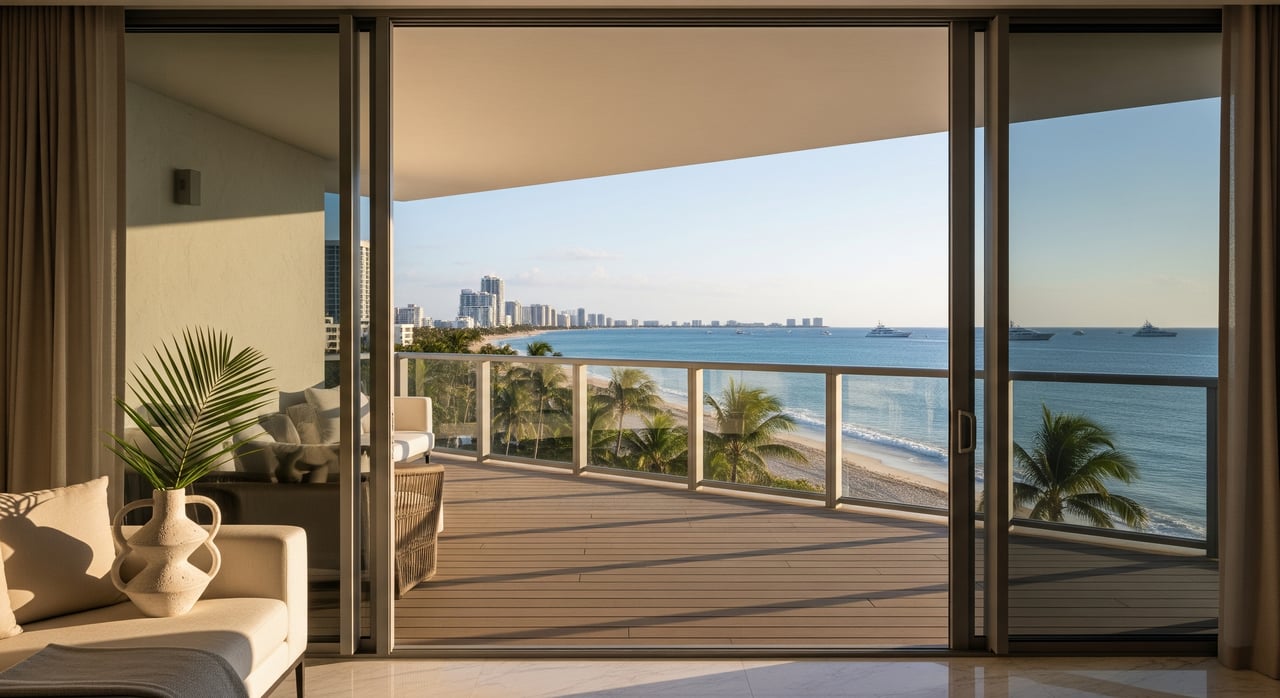
Is the beach view the easy part and the building choice the hard part? If you are comparing condos along Galt Ocean Mile, you are not alone. Many buyers wrestle with tradeoffs like service levels, HOA dues, rental rules, and insurance. This guide breaks down how the buildings differ so you can match the lifestyle you want with the ownership experience you need. Let’s dive in.
Galt Ocean Mile at a glance
Galt Ocean Mile is the oceanfront stretch along A1A in northern Fort Lauderdale with a line of mid to high rise condominiums. You will find older icons beside renovated towers and boutique buildings. Seasonal occupancy is common, which shapes amenity use and rental demand. Coastal exposure, flood risk, and post Surfside building oversight are important for buyers and lenders.
Building types and age
Most buildings fall into three buckets: large oceanfront towers, mid rise older condos, and smaller boutique complexes. Older concrete high rises often need cyclic structural work like concrete spalling repair, waterproofing, and balcony restoration. Larger associations may deliver 24 hour staffing and onsite engineers, while smaller buildings can be nimble but may feel special assessments more acutely. Always confirm year built, major renovations, recent engineering reports, and the age of big ticket systems like elevators and plumbing stacks.
Amenities and service levels
Amenity tiers along the Mile range from full service luxury to minimalist boutique. Full service properties might offer staffed lobbies, valet, multiple pools, fitness and spa, and private beach access. Mid range buildings tend to include a pool, basic gym, and limited management hours. Boutique properties keep costs lean with essential maintenance and smaller common areas.
How amenities affect ownership: higher service levels often mean higher dues and more rules for deliveries and guests. They can create an active social scene or a quiet setting depending on programming and usage. Consider not only what you will use each week, but how the building maintains those features over time.
HOA finances and planning
Healthy reserves and clear planning reduce surprises. Review the operating budget, reserve fund balance, and the date of the most recent reserve study. Ask about current or upcoming special assessments and large capital projects like façade, balcony, elevator, roof, or garage work. Buildings with professional management and regular reserve funding tend to be easier to finance and insure, which supports resale.
Insurance and coastal risk
Oceanfront living brings wind and flood exposure that influence premiums and deductibles. The association’s master policy typically covers the building shell and common elements. You will need an HO 6 policy for interior finishes and contents, and often separate flood coverage for contents depending on the master policy and lender requirements. Expect insurers and lenders to review structural reports, recertification status, and reserve health, since costs have risen across coastal Broward.
Walkability and access
The Mile is linear, so some addresses sit near grocery, pharmacy, and restaurants, while others are quiet stretches along A1A. Evaluate proximity to daily services, safe street crossings, and public transit stops if you plan to walk or bike. Parking details matter, too. Confirm whether spaces are deeded or assigned, how guest parking works, and any municipal restrictions on street parking.
Buyer profiles: find your fit
Here is how common buyer goals align with building attributes:
- Retiree or snowbird seeking ease
- Look for full service staffing, strong reserves, and reliable elevators. Expect higher dues in exchange for lock and leave convenience and security.
- Active lifestyle buyer
- Prioritize fitness centers, courts, marina access, and social programming. Be ready for higher usage of amenities and related assessments.
- Investor or seasonal rental owner
- Focus on associations with rental flexibility and strong winter demand. Verify minimum lease terms, rental caps, and current rental percentages.
- Downsizer or second home buyer
- Seek single level living, secure parking, good storage, and consistent building services. You may accept fewer luxury amenities to keep dues moderate.
- Year round resident or professional
- Evaluate parking, storage, commute routes, and year round services. Some buildings have more seasonal populations, so confirm service levels outside winter.
Due diligence checklist
Request and review these items before you write an offer or during the inspection period:
- Association documents, bylaws, rules, and amendments
- Current financials and budget, with line items for insurance and utilities
- Most recent reserve study and evidence of reserve funding
- Board meeting minutes for the last 12 to 36 months
- Status of current assessments and pending capital projects
- Insurance certificates, master policy limits, and deductibles
- Owner occupancy and rental percentages plus current rental rules
- Litigation disclosures and management contracts
- Building engineering reports, façade and balcony work records, and recertification status
- Elevator maintenance logs, roof and HVAC records, and plumbing stack updates
- Flood elevation data and any elevation certificates
- Unit inspection for A C, plumbing, mold, windows, and balcony condition
Finance and insurance checks:
- Confirm typical windstorm deductibles and HO 6 needs
- Verify flood zone designation and likely premium range
- Check whether FHA or VA approvals matter for your financing
Key questions for the board or manager:
- When was the last reserve study, and what percentage funded are reserves?
- What capital projects are planned in the next 1 to 5 years?
- What are the policies on rentals, pets, guests, and security procedures?
- How are utilities allocated and billed?
Quick comparison tool
Use this simple scoring framework to compare two or more buildings based on your priorities. Rate each 1 to 5, then note the tradeoffs:
- Building condition and capital readiness
- HOA dues versus services provided
- Amenity fit for your lifestyle
- Management and service level
- Insurability and lender friendliness
- Walkability and daily services
- Rental flexibility
- Resale desirability, including views and parking
How to read your results:
- A high score for service and amenities with a low score for reserves may feel luxurious now but could risk future assessments.
- A high score for condition and reserves with moderate amenities may produce a lower total cost of ownership and fewer surprises.
Putting it together
Choosing on the Mile is about fit. Start with your day to day routine, then layer in long term goals like rental flexibility, ownership costs, and resale. Validate the numbers with association documents, reserve studies, and insurance details. If you want a seasoned, concierge partner to guide the process and coordinate cross border details when needed, connect with Brady Thrasher for a private consultation.
FAQs
What drives HOA fees on Galt Ocean Mile?
- Fees reflect building size, staffing, amenities, insurance, and whether utilities are included, so confirm the line item budget for an apples to apples comparison.
How do I assess special assessment risk in older towers?
- Review reserve studies, recent board minutes, and the status of large projects like façade, balcony, elevator, roof, or garage work, then ask about the 1 to 5 year capital plan.
Can I rent a Galt Ocean Mile condo seasonally?
- Rental rules are set by each association and can change, so verify minimum lease terms, caps, and current rental percentages before you buy.
Are buildings safer after Surfside?
- There is more emphasis on structural inspections, recertification, and reserve funding, so request recent engineering reports and verify compliance with local requirements.
How does flood insurance work for oceanfront condos?
- The condo master policy covers the building shell and common areas, while you carry an HO 6 policy for interiors and contents, plus flood coverage for contents if required by the master policy or lender.