Thinking about a Florida base where you can step off a plane, step onto your dock, and be in the Atlantic in minutes? If you split time between Canada and South Florida, the Las Olas Isles offer a rare mix of deep-water lifestyle and lock-and-leave convenience. You want clear numbers, smart boating guidance, and a plan that handles cross-border details without drama. This playbook gives you exactly that, tailored for Canadian buyers seeking a waterfront foothold in Fort Lauderdale. Let’s dive in.
Why Las Olas Isles works for Canadians
Las Olas Isles sits just off Las Olas Boulevard and near the beach, with man-made finger canals lined by waterfront homes. You’ll see a blend of classic properties, major renovations, and new estate builds. It is a true boating community with quick access to the Intracoastal and Port Everglades Inlet.
Price points range widely based on frontage, condition, and ocean access. Entry options and redevelopment lots often trade in the low single millions. Well-located, renovated homes and townhomes frequently land in the mid-single to mid-millions. Top-tier new construction and trophy estates can reach the high-single digits to double-digit millions. Your exact value will come down to details like canal width, seawall condition, and bridge constraints.
What drives value on the Isles
Several variables set pricing and liquidity here. As you tour, weigh these factors side by side:
- Water frontage and turning radius for your vessel
- Fixed-bridge clearances along your route to the inlet
- Lot size, elevation, and seawall condition
- New construction versus redevelopment potential
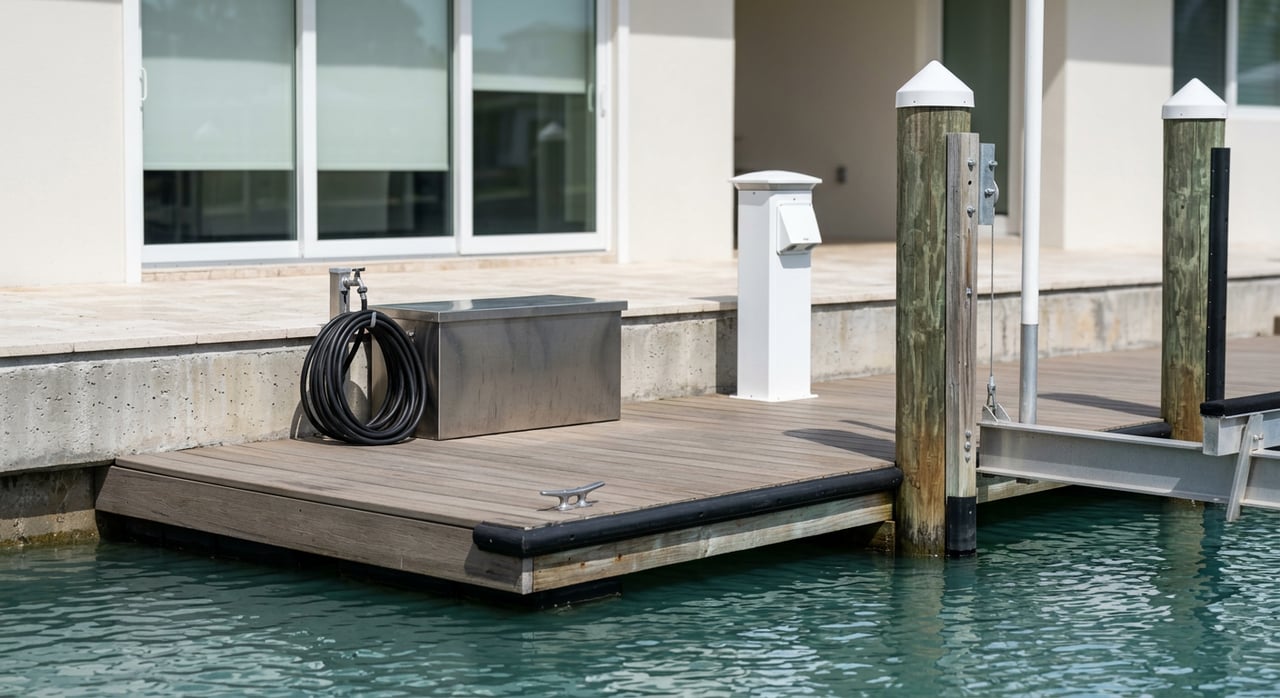
- Renovation quality and docking upgrades (lifts, power)
- Proximity to the beach, Las Olas dining, and marinas
A focused due diligence process helps you pay for what matters and avoid what does not.
Boating and ocean access essentials
Bridge clearance and routing
From many Las Olas canals, the practical limit on air-draft is set by the East Las Olas Boulevard bridge, with a published closed vertical clearance of about 24 feet. Always confirm your intended canal-to-inlet route, and verify the lowest fixed or closed clearance along it. You can review area bridge details through regional boating resources like the Eastern Florida bridges listings. If your yacht’s profile exceeds a route’s clearance, many owners keep a larger vessel at a nearby marina and a tender at home.
Dockage, seawalls, and permits
Fort Lauderdale is actively upgrading seawalls and has moved to cap elevations of about 5.0 feet NAVD for many replacements and public projects. The City has documented these standards in its seawall program updates, which is why you should request an elevation-referenced survey and recent inspection records for any property you are considering. See the City’s seawall guidance and project updates for context on standards and permitting at the City of Fort Lauderdale’s news page.
Replacement or modification of docks, lifts, and seawalls typically requires permits at the city or county level, and sometimes state or federal reviews depending on the scope. Ask for the seller’s permit history and contractor receipts. During due diligence, engage a local marine or structural professional to estimate costs and timelines for any upgrades.
Marinas and a hybrid plan
If you want easy cruising days without full-time yacht maintenance at home, consider a hybrid approach. Keep a smaller center console or tender at your private dock and berth the larger yacht at a nearby deep-water facility. The redeveloped Las Olas Marina is a superyacht-capable option moments from the Isles, offering professional services and secure berths. Learn more about the facility through this overview of the Las Olas Marina redevelopment and operations.
Lock-and-leave operations: rentals, insurance, management
Short-term rental rules and registration
If you plan to generate income while away, Fort Lauderdale requires registration and a Certificate of Compliance for vacation rentals, with inspections, fees, and local contact requirements. Short-term rentals are also subject to state and county transient taxes. You can review the City’s process, inspection checklist, and compliance details on the Vacation Rental Property Registration page. Build these steps into your timeline and budget.
Insurance and resilience
Waterfront properties here typically carry separate windstorm or hurricane coverage and flood insurance. Lenders often require both. Insurers and underwriters will look closely at seawall condition, elevation certificates, and permit records. The City’s move toward higher seawall caps has made NAVD-referenced surveys and recent inspections more important for pricing and insurability. A strong file helps when negotiating with carriers and lenders. You can see the City’s direction on standards in its seawall program updates.
Property management you can trust
For seasonal owners, a reputable local manager is essential. Look for teams that provide routine inspections, hurricane preparation, vendor coordination, and guest support if you choose to rent. If you operate as a short-term rental, the City expects a 24/7 local contact. Vet providers early, and set clear service levels so your home stays show-ready and storm-ready.
Financing and cross-border essentials for Canadians
Foreign-national mortgages and cash strategies
U.S. lenders offer foreign-national loan programs, though terms differ by bank. Many require larger down payments, often 25 to 40 percent or more, plus added documentation like passports, foreign income verification, and reserves. Some programs may ask for an ITIN or a U.S. co-borrower depending on your profile. Start with a specialist who does this work every day. Review the fundamentals in this overview of buying in the U.S. as a non-citizen. Affluent buyers often blend cash purchases with cross-border banking relationships to optimize flexibility.
Taxes when you sell: FIRPTA basics
If a non-U.S. person sells U.S. real property, the buyer generally must withhold a percentage of the amount realized under FIRPTA. The seller later files a U.S. return to reconcile the actual tax due and may request a reduced withholding certificate in some cases. Flag FIRPTA at the start of any sale process and coordinate with your closing attorney and CPA. You can review the IRS overview of FIRPTA withholding and reporting.
ITINs and filing logistics
If you need to file a U.S. return related to rental income, FIRPTA credits, or a sale, you may need an ITIN. The IRS details how foreign property buyers and sellers can obtain one and how timing interacts with withholding certificates. See the IRS ITIN guidance for property buyers and sellers.
Canadian reporting and relief
Canadian residents report worldwide income, including U.S. rental income and capital gains. Canada offers foreign tax credits to reduce double taxation. If your cost of specified foreign property exceeds CAD 100,000, additional reporting such as Form T1135 is required. Review rental reporting fundamentals in the CRA’s guide to rental income, then engage a cross-border accountant to align filings on both sides.
Ownership structure and privacy
You can hold title in your personal name, but many high-net-worth buyers evaluate entities or trusts for liability, privacy, and estate planning. Each choice has tax and reporting impacts, including potential FIRPTA treatment and evolving transparency rules. The Financial Crimes Enforcement Network has adopted a Residential Real Estate Reporting rule that will require certain closing agents to collect beneficial owner information for non-financed transfers to entities or trusts. The industry-effective date is March 1, 2026. Review the update from the National Association of Realtors on the FinCEN residential rule and timeline and expect your title team to request owner details if you buy using an entity.
Your due diligence roadmap
Use this checklist to protect your interests and keep the process efficient.
Before you tour
- Define your boating profile: LOA, beam, draft, air-draft, and preferred marina back-up plan.
- Get pre-qualified with a cross-border lender or prepare proof of funds.
- Prepare a shortlist with frontage, canal width, and bridge constraints in mind.
Offer and contract
- Request a current survey that references NAVD88 elevations and property boundaries.
- Ask for dock, lift, and seawall permits, plus contractor receipts for recent work.
- Confirm title items like riparian rights, recorded easements, and any restrictions.
- If the home has been used as a vacation rental, ask for the City Certificate of Compliance and inspection records.
Inspections and verification
- Order a home inspection plus a marine survey of the dock and seawall.
- Verify canal depth, turning radius, and permitted vessel dimensions for the location.
- Obtain elevation certificates, insurance history, and current policy details.
- Validate bridge clearances along your preferred route to the inlet.
Closing prep
- Align on entity choice, privacy needs, and any FinCEN reporting impacts for a non-financed purchase.
- If you expect rental income, complete City registration and set up state and county tax accounts.
- Coordinate U.S. and Canadian tax advisors on filings, ITIN timing, and FIRPTA planning for an eventual sale.
Your local professional team
- Buyer’s broker with cross-border expertise and waterfront focus
- Cross-border mortgage specialist or U.S. private bank contact
- Florida real estate attorney and an experienced title company
- U.S. CPA and Canadian tax advisor with cross-border experience
- Marine engineer or seawall contractor for inspection and cost-to-cure
- Property management firm skilled in HNW lock-and-leave operations
A smart 72-hour scouting plan
- Day 1: Walk the Isles by car and boat. Narrow to 3 to 5 properties that match your vessel profile and lifestyle. Confirm bridge routes from each.
- Day 2: Inspect top candidates. Meet a marine engineer at one or two homes for seawall and dock reviews. Visit Las Olas Marina and one alternative facility to secure a berth plan.
- Day 3: Review comps, draft offer terms, and agree on a due diligence timeline that locks in surveyors, insurers, and your closing team.
Make your Las Olas move effortless
You want a waterfront base that works like a private club: easy arrivals, reliable operations, and the right exit strategy when the time comes. With a concierge, cross-border approach and deep Las Olas expertise, you can secure the right property, the right dock, and the right structure the first time. When you are ready, schedule a confidential strategy session with Brady Thrasher to map your path.
FAQs
What are typical price ranges in Las Olas Isles?
- Entry and redevelopment lots often trade in the low single millions, renovated homes and townhomes often land in the mid-single to mid-millions, and new or trophy estates can reach high-single to double-digit millions. Exact pricing depends on frontage, condition, and ocean access.
How tall a boat can I run under local bridges?
- Many routes are limited by the East Las Olas Boulevard bridge at about 24 feet closed clearance; confirm your exact canal-to-inlet route and the lowest fixed or closed clearance using resources like the Eastern Florida bridges listings.
Do I need City approval to operate a vacation rental?
- Yes. Fort Lauderdale requires registration, inspections, fees, and a designated local contact for vacation rentals, and short-term stays are subject to state and county transient taxes as outlined on the City’s Vacation Rental Property Registration page.
What insurance do waterfront homes typically carry in Broward?
- Owners usually secure separate windstorm or hurricane coverage and flood insurance; insurers and lenders will review elevation certificates, seawall condition, and permits. See City guidance on seawall standards in the seawall program updates.
Can Canadians get a U.S. mortgage for a Las Olas home?
- Yes, via foreign-national programs that often require 25 to 40 percent down, extra documentation, and reserves; start early with a specialist familiar with non-U.S. buyer loans, such as those discussed in this overview for non-citizen buyers.
How does FIRPTA affect me when I sell as a Canadian owner?
- A buyer generally must withhold a percentage of the amount realized on a sale by a foreign person; you later file a U.S. return to reconcile and may request reduced withholding in some cases. See the IRS FIRPTA overview.
What is the FinCEN rule and could it change my closing?
- Beginning March 1, 2026, certain closing agents must collect beneficial owner information for non-financed residential transfers to entities or trusts; review the NAR update on the FinCEN rule and expect added documentation if you buy through an entity.