If you are shopping Galt Ocean Mile, the monthly condo fee can look like a simple line item. In reality, it often tells you a bigger story about the building’s age, maintenance plan, reserve funding, and possible future costs. When you understand how fees, reserves, and assessments work in this oceanfront corridor, you can compare buildings more confidently and avoid surprises later. Let’s dive in.
Why condo fees matter on Galt Ocean Mile
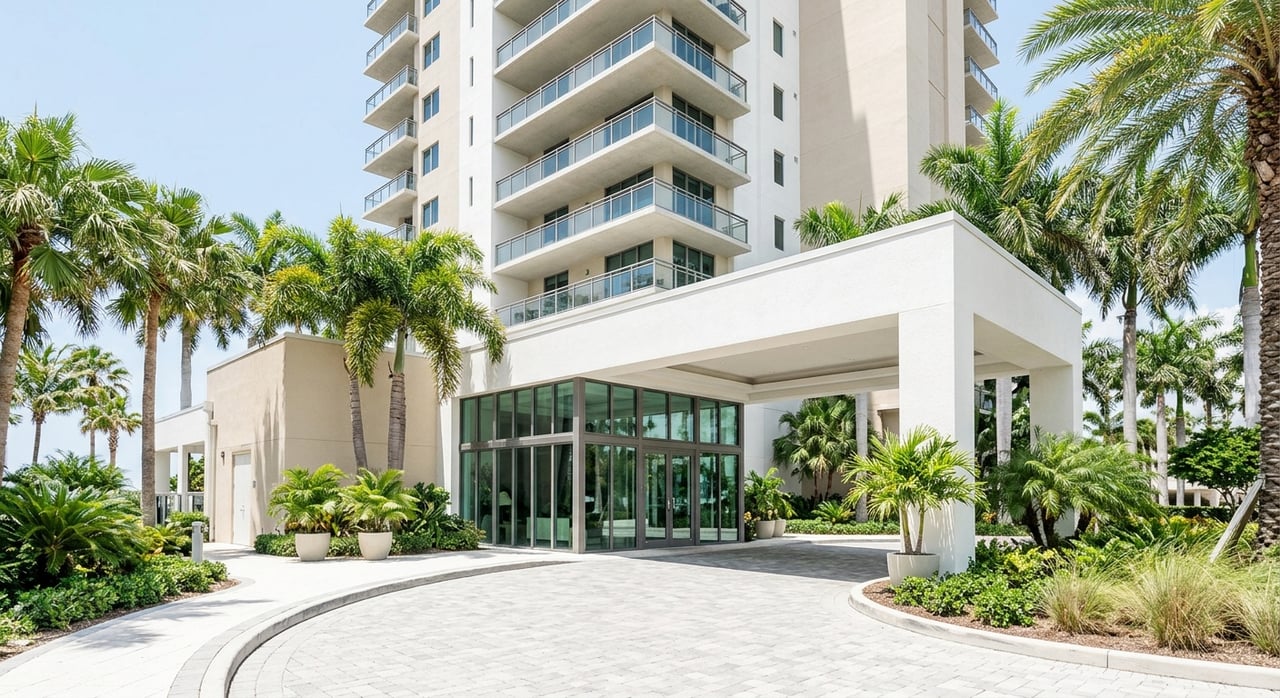
Galt Ocean Mile is known for its oceanfront high-rises, and the area’s development history points to a large share of older-vintage condominium inventory. That matters because older coastal buildings often face more ongoing maintenance, inspection, and reserve planning than newer properties.
In Fort Lauderdale, Broward’s building-safety program applies to buildings and structures that are 25 years old or older, with repeat inspections every 10 years. Florida law also allows local coastal enforcement to require the first milestone inspection at 25 years when salt-water proximity justifies it. For many Galt Ocean Mile buyers, that means building condition and long-term funding should be part of your purchase analysis from day one.
What your monthly condo fee pays for
Under Florida law, the condominium association is generally responsible for maintaining, repairing, and replacing common elements, except where the declaration assigns certain limited common element duties to a unit owner. That is the core reason monthly condo fees exist.
In practical terms, your fee may support items such as:
- Building operations
- Common-area maintenance
- Repairs and replacement planning
- Insurance expenses
- Reserve contributions for major components
The key question is not just how high the fee is. The better question is how the association allocates the budget across operations, maintenance, insurance, and reserves.
How Florida condo budgets are structured
Florida requires associations to prepare a detailed annual budget that shows amounts by account and expense classification. Owners must receive notice of the budget meeting and a copy of the proposed budget at least 14 days in advance.
For you as a buyer, this means the budget is not just a formality. It is one of the clearest windows into how a building is being run. Two buildings on Galt Ocean Mile may offer a similar lifestyle and price point, but their financial planning can look very different.
What to compare in the budget
When reviewing two or more buildings, pay close attention to:
- The share of expenses going to daily operations
- Maintenance and repair line items
- Insurance costs
- Reserve contributions
- Any signs that major expenses are being underfunded
A lower fee is not always a better value. In some cases, a higher monthly fee may reflect stronger reserve funding and better preparation for future building needs.
Why reserves deserve extra attention
Reserves are funds set aside for capital expenditures and deferred maintenance. Under Florida law, reserve accounts must cover items such as roof replacement, building painting, pavement resurfacing, and other qualifying components above the annual threshold.
For 2026, that inflation-adjusted threshold is $25,675. Florida also requires reserve funding to follow the findings and recommendations of the Structural Integrity Reserve Study, or SIRS, when a building is subject to that requirement.
This is especially important in Galt Ocean Mile, where many oceanfront buildings are older and exposed to salt air and coastal wear. In this setting, reserves are not just a technical accounting issue. They are a key part of how a building manages long-term risk.
How reserve funding can be handled
Florida law allows reserve funding through several methods:
- Regular assessments
- Special assessments
- Lines of credit
- Loans
If an association uses a special assessment, line of credit, or loan for reserve items covered by the statute, that action requires approval by a majority vote of the total voting interests. That makes reserve planning both a financial issue and a governance issue.
What the SIRS means for buyers
A Structural Integrity Reserve Study is required at least every 10 years for each condominium building that is three habitable stories or higher. The study must cover key items including:
- Roof
- Structure
- Fireproofing and fire protection systems
- Plumbing
- Electrical systems
- Waterproofing and exterior painting
- Windows and exterior doors
- Other qualifying items that could affect those systems if not maintained
The SIRS must be based on a visual inspection that is performed or verified by an engineer, architect, or qualified reserve professional. It must identify each inspected item, estimate remaining useful life and replacement cost or deferred maintenance expense, and provide a funding plan or schedule.
For legacy associations that existed on or before July 1, 2022, the statute required the SIRS to be completed by December 31, 2025, unless a narrow milestone-related timing exception applied. As of May 24, 2026, a missing or outdated SIRS should be treated as a significant due diligence concern for a Galt Ocean Mile buyer.
Milestone inspections and coastal buildings
The milestone inspection is separate from the SIRS. Under Florida law, phase one is a visual examination of habitable and nonhabitable areas. Phase two is required only if substantial structural deterioration is found, and it may involve destructive or nondestructive testing.
The engineer or architect must submit a sealed report to the association and the local building official. The association must then distribute the inspector-prepared summary to owners and, if required, post the report online.
In the City of Fort Lauderdale, the local building-safety program says buildings subject to the Broward County inspection program must comply once they are 25 years old or older, with repeat inspections every 10 years. The city also states that owners have 180 days to submit the required report after notice and 180 days to complete required repairs and correct deficiencies.
Why fees can rise faster than expected
Many buyers have heard some version of a “15% rule” and assume condo fees cannot jump sharply. In Florida, the reality is more nuanced.
If a proposed annual budget would raise assessments above 115% of the prior year, the board must also propose a substitute budget. But the comparison excludes required reserves, certain irregular repair expenses, and insurance premiums. In other words, a building can still see a substantial fee increase even when buyers think the increase should be limited.
For older oceanfront condos, that matters. Rising insurance costs, reserve obligations, or major repair planning can all push fees upward in a way that is fully consistent with current Florida law.
How special assessments fit into the picture
Special assessments are additional charges beyond the regular monthly assessment. They are often used when an association needs to fund major repairs, reserve obligations, or projects that are not fully covered by existing budgeted funds.
For buyers, the issue is not simply whether a building has had a special assessment. The more important questions are why it was imposed, whether it reflects a one-time capital project or a pattern of underfunding, and whether more charges may be coming.
Florida law also requires at least 14 days’ notice before the meeting where a nonemergency special assessment will be considered. That notice process is one more reason association records matter during your review period.
What to review before you write an offer
In Galt Ocean Mile, due diligence should go well beyond the listing sheet and monthly fee amount. Florida gives resale buyers access to a meaningful set of association documents, and those records are central to evaluating risk.
At a minimum, buyers are entitled to receive current copies of:
- The declaration
- Articles of incorporation
- Bylaws and rules
- Annual financial statement
- Annual budget
- The inspector-prepared milestone inspection summary, if applicable
- The most recent SIRS, or a statement that no SIRS has been completed
For contracts entered into after December 31, 2024, the buyer must acknowledge receipt of the milestone-summary material and the SIRS, if applicable, more than 15 days before execution. The buyer then has a 15-day voidability period after execution and receipt of those documents.
That change makes reserve and inspection review a formal part of the transaction timeline. It is no longer just a best practice. It is a core part of how condo resale transactions now work in Florida.
Records that can reveal risk
You should also ask for the association’s official records. Florida law includes SIRS documents, inspection reports, annual budgets, financial reports, bids, permits, and other governance records within that official record set.
The association must make official records available within 10 working days after a written request. Owners may also use a portable device to copy them. If an association struggles to produce basic records on time, that may be a practical warning sign worth investigating.
Red flags to watch in Galt Ocean Mile condos
When comparing buildings, keep an eye out for patterns that may point to future cost pressure or incomplete planning.
Common red flags include:
- A missing or outdated SIRS
- Missing milestone inspection summary materials
- Reserve contributions that do not align with the study
- Repeated special assessments
- Difficulty obtaining records within the required timeframe
- Signs that large repair costs may be approaching without a clear funding plan
These items are not automatic deal-breakers in every case. But they should trigger deeper review before you commit.
Why this matters in luxury coastal condo buying
On Galt Ocean Mile, condo fees are not just a lifestyle expense. They are part of the building’s risk-management system.
In an older oceanfront corridor, your monthly fee may reflect ongoing operations, insurance, reserve funding, and sometimes pending structural work. For a luxury buyer, that means the smartest purchase is not always the unit with the lowest fee. Often, it is the building with the clearest records, the strongest planning, and the most transparent financial picture.
If you are evaluating a Galt Ocean Mile condo, a careful document review can help you protect both your lifestyle and your investment. This is where local market knowledge and transaction oversight become especially valuable, particularly when you are weighing multiple buildings with very different financial profiles.
If you want a clear, private review of Galt Ocean Mile condo options, reserve questions, and building-level due diligence, request a consultation with Brady Thrasher.
FAQs
What do condo fees usually cover in Galt Ocean Mile condos?
- Condo fees generally help fund association responsibilities for common-element maintenance, repair, replacement, operations, insurance, and reserve contributions, subject to the condominium documents.
What is a SIRS for a Florida condo buyer?
- A SIRS is a Structural Integrity Reserve Study that evaluates major building components, estimates remaining useful life and replacement costs, and provides a reserve funding plan for qualifying condominium buildings.
What is a milestone inspection for a Fort Lauderdale condo building?
- A milestone inspection is a separate Florida building-safety inspection process that starts with a visual examination and may move to further testing if substantial structural deterioration is found.
Why can Galt Ocean Mile condo fees increase quickly?
- Fees can rise sharply because Florida’s 115% budget comparison does not treat required reserves, certain irregular repair expenses, and insurance premiums the same way as ordinary budget growth.
What documents should you review before buying a Galt Ocean Mile condo?
- You should review the declaration, bylaws, rules, annual financial statement, annual budget, milestone inspection summary if applicable, the most recent SIRS or a statement that none has been completed, and other available official records.
What does an estoppel certificate show for a Florida condo purchase?
- An estoppel certificate itemizes the regular assessment, any special assessments, other money owed, future scheduled assessments, and insurance contact information tied to the unit.
Are special assessments always a bad sign in a Galt Ocean Mile building?
- Not always. A special assessment may reflect a necessary capital project, but repeated assessments or poor documentation can signal that a building’s long-term funding plan deserves closer review.