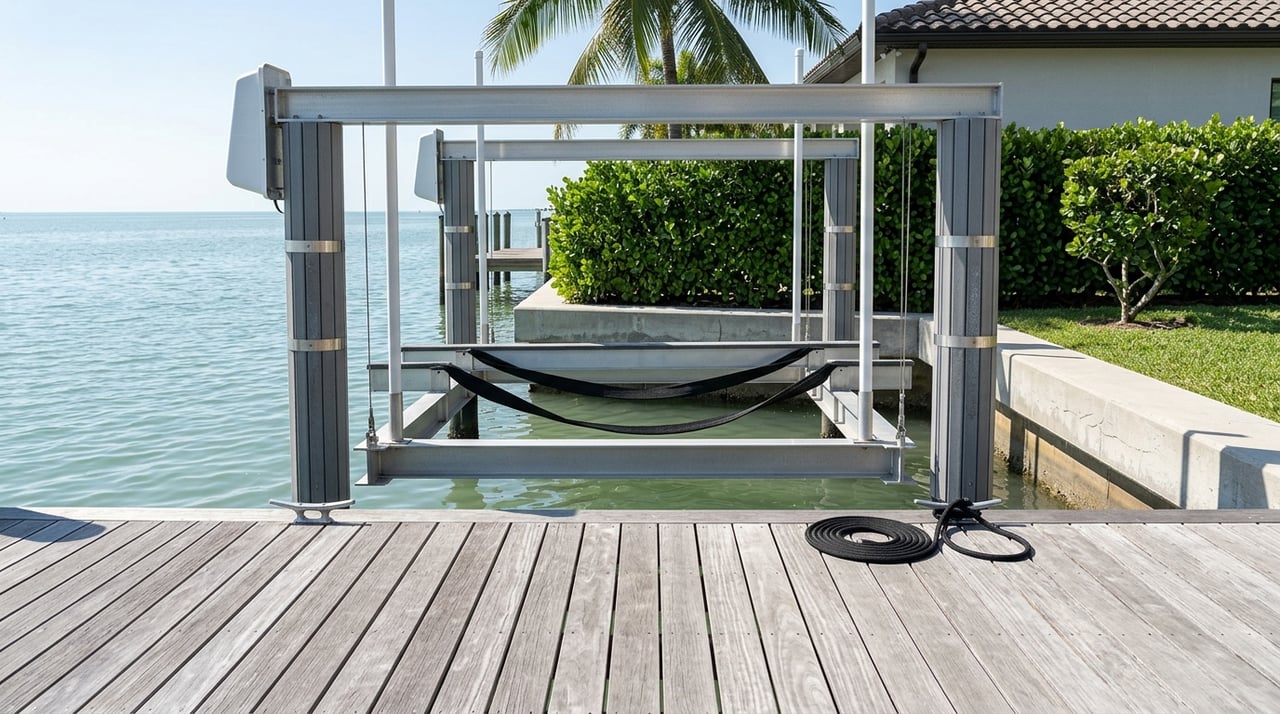
If you are shopping Sunrise Intracoastal for a waterfront home, the boating question is simple: can the property actually handle your boat and your route to open water? That matters here because Sunrise Intracoastal offers real dockage appeal, but the fit depends heavily on the exact lot, waterway position, and bridge path. In this guide, you will get a practical look at dockage, Intracoastal access, and the due diligence steps that can help you buy with more confidence. Let’s dive in.
Why Sunrise Intracoastal Stands Out
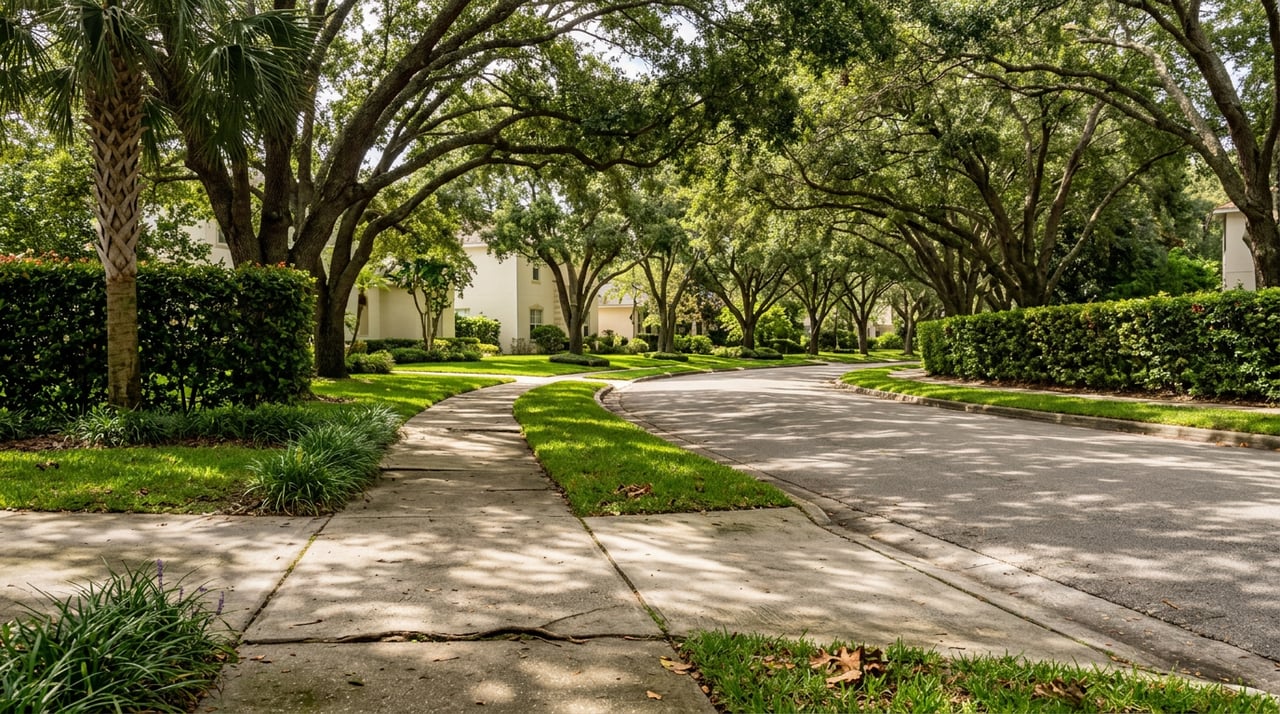
Sunrise Intracoastal is an officially recognized Fort Lauderdale neighborhood, and its physical layout is a big part of its appeal for boaters. Community and city information describe it as a small waterfront neighborhood with 186 homes on a peninsula, gated access, no through-traffic, and deep water access.
That peninsula shape matters because the neighborhood sits between the Intracoastal Waterway and Middle River. Historic neighborhood information also describes the area as a residential subdivision surrounded by the Intracoastal Waterway and the Middle River, which helps explain why waterfront living is such a defining feature here.
For you as a buyer, that means Sunrise Intracoastal is not just near the water. In many cases, the water is central to how the neighborhood functions, how homes are positioned, and why boating buyers keep it on their radar.
What Dockage Looks Like Here
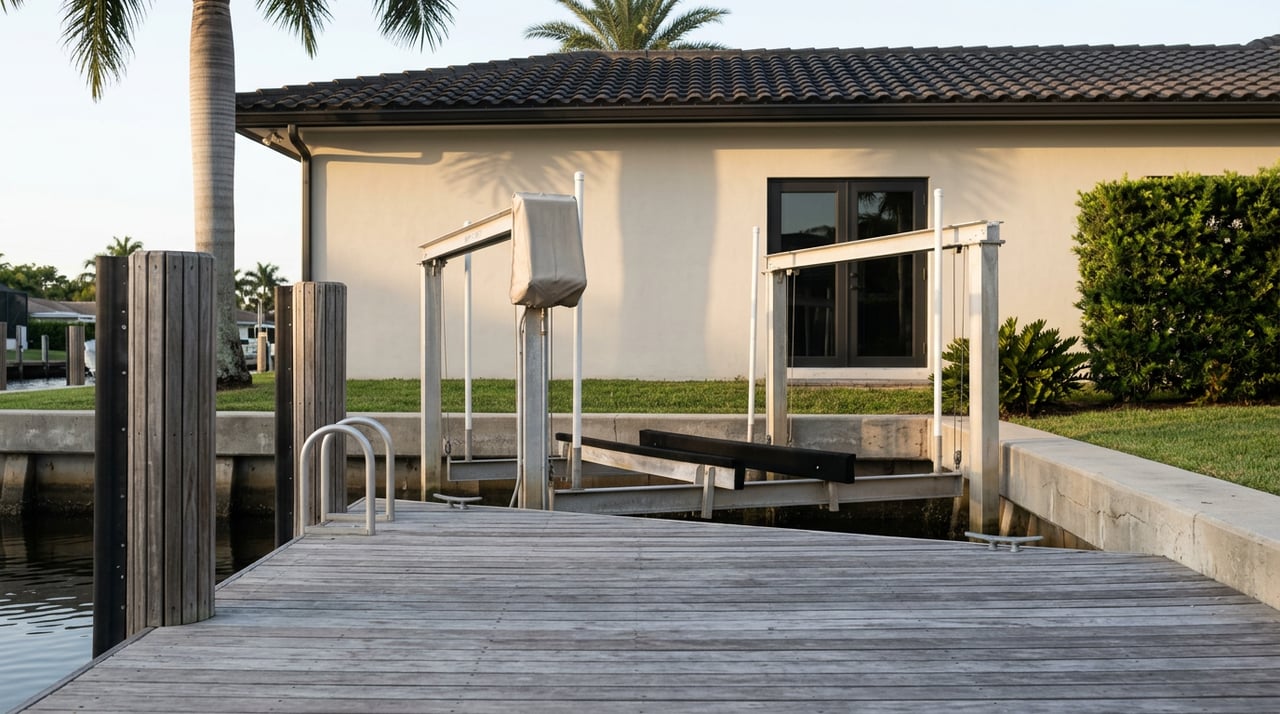
One of the most important things to understand is that Sunrise Intracoastal does not have a one-size-fits-all dockage profile. Public sources show a mix of wide-water parcels, point-lot properties, and canal-front lots, so vessel fit needs to be reviewed on a property-by-property basis.
Recent market examples have advertised features such as private docks, deepwater frontage, direct ocean access, and no fixed bridges. Some listings have also shown frontage figures like 90 feet, 110 feet, and 145 feet on select properties.
Those examples are useful, but they are not neighborhood-wide guarantees. They do show that Sunrise Intracoastal can work very well for boating buyers when the parcel sits on the right stretch of water and the dock setup matches the vessel.
Why Lot-by-Lot Review Matters
If you own a runabout or smaller day boat, many waterfront opportunities may feel workable. If you are buying for a larger express boat, sportfishing boat, or yacht, the conversation becomes more technical.
The real question is not whether the neighborhood is waterfront. The real question is whether a specific property can support your boat’s length, beam, lift needs, turning radius, and air draft on the way out.
Key Dockage Factors to Check
Before you treat any Sunrise Intracoastal home as a boating fit, verify the details that affect real-world use. Marketing phrases can sound promising, but you want hard facts tied to the exact parcel.
Focus on these items during your review:
- Exact dock length
- Water frontage configuration
- Lift capacity, if a lift is present
- Water depth at low tide
- Seawall condition
- Turning room for backing in and out
- Beam clearance at the dock and along the route
- Air draft for the full path to the inlet
A home can look ideal in photos and still fall short for your vessel. That is why experienced boating buyers often involve a captain, surveyor, or marine contractor before they make a final decision.
Intracoastal Access and the Route Out
Sunrise Intracoastal benefits from a location close to the ocean, which is a major draw for buyers who want to get out on the water without a long inland run. Once your boat clears the local bridge corridor, Port Everglades is listed by NOAA at Mile 1066.3, showing how short the run to the inlet can be.
That said, close to the ocean does not mean bridge-free navigation. This is one of the biggest points buyers need to understand before assuming a taller vessel will work.
Bridges on the Main Corridor
According to NOAA’s Coast Pilot, the boating corridor includes several key bridges:
- Sunrise Boulevard bascule bridges at Mile 1062.6 with 25 feet of minimum center clearance
- Las Olas Boulevard at Mile 1064.0 with 24 feet reported clearance
- SE 17th Street Bridge at Mile 1065.9 with 55 feet of authorized center clearance
For many buyers, these numbers quickly shape the search. If your boat has a taller profile because of a hardtop, tower, antennas, or other equipment, the route matters just as much as the dock.
Middle River Can Be More Restrictive
NOAA also notes that Middle River sits just south of the Sunrise Boulevard bascule bridges. Farther inland, the Sunrise Boulevard highway bridge has only 10 feet of clearance and the US 1 bridge has 8 feet.
That makes interior river and canal routes much more restrictive for taller boats. In practical terms, a home that looks attractive on the map may still present a routing challenge if your vessel depends on more vertical clearance.
How Speed Rules Can Affect Your Boating Day
Access is not only about bridges. Boating patterns can also be shaped by speed regulations and bridge operations.
The Florida Fish and Wildlife Conservation Commission approved a year-round slow-speed, minimum-wake zone in part of the Intracoastal Waterway between the Oakland Park Boulevard Bridge and the Sunrise Boulevard Bridge. For boaters, that can influence travel time and how quickly you move through that section of the corridor.
Fort Lauderdale also made permanent weekday operating-schedule changes to the SE 17th Street Bridge in 2026 to reduce rush-hour openings while maintaining marine access. If you use your boat regularly, especially on weekday schedules, that is another detail worth factoring into your planning.
Which Boats May Fit Best
Sunrise Intracoastal can suit a range of boating lifestyles, but not every home will suit every vessel. Based on the available property examples and the neighborhood’s water-oriented layout, the area can work for everything from smaller runabouts to larger express boats.
For larger yachts, however, only certain lots are likely to feel comfortable. Wide-water positioning, stronger turning room, appropriate dock length, and a manageable bridge route become much more important as the vessel size increases.
A Simple Way to Think About Fit
Here is a practical way to approach your search:
| Buyer Need | What to Prioritize |
|---|---|
| Smaller day boat or runabout | Dock condition, easy access, basic depth check |
| Mid-size express boat | Dock length, turning room, bridge clearances |
| Sportfishing boat | Air draft, route restrictions, beam and maneuvering space |
| Larger yacht | Wide-water lot, deeper water, full route analysis, seawall and dock review |
This is why two waterfront homes in the same neighborhood can perform very differently for the same buyer. The boating fit is highly specific.
How Sunrise Intracoastal Compares Nearby
Buyers often compare Sunrise Intracoastal with other Fort Lauderdale waterfront enclaves. The differences matter because each area supports a slightly different lifestyle and boating setup.
Sunrise Intracoastal vs. Sunrise Key
Sunrise Intracoastal presents as a small gated waterfront neighborhood rather than a pure island district. Its appeal centers on private-home dockage, beach proximity, and a short ride toward Port Everglades.
Sunrise Key is recognized separately by the city as a special district focused on security and beautification. For many buyers, Sunrise Intracoastal feels more like a private-home boating neighborhood with a strong residential character.
Sunrise Intracoastal vs. Las Olas Isles and Seven Isles
Las Olas Isles and Seven Isles sit on the same broader boating corridor but farther south. Sunrise Intracoastal is still efficient for reaching open water, though buyers should expect the Sunrise, Las Olas, and 17th Street bridge sequence when heading south toward Port Everglades.
If your priority is balancing privacy, waterfront living, and efficient access, Sunrise Intracoastal can make a strong case. If your priority is a different location along the same corridor, those nearby districts may also enter the conversation.
Sunrise Intracoastal vs. Coral Ridge Yacht Club Area
The Coral Ridge Yacht Club area brings more of a club-marina environment, including dock slips and a social marina setting. Sunrise Intracoastal is generally more private-home and dock-centric.
That difference is important. If you want a dock behind your own residence, Sunrise Intracoastal may align more closely with your goals.
Due Diligence Before You Buy
If boating is one of your main reasons for buying here, your due diligence should go beyond standard home inspection items. You want to confirm that the property supports how you actually plan to use the water.
A smart review usually includes:
- Measuring usable dock space, not just advertised frontage
- Confirming low-tide depth at the dock
- Reviewing seawall age and visible condition
- Checking whether a lift matches your vessel’s weight and dimensions
- Mapping the real route to the inlet
- Verifying air draft against all relevant bridge clearances
- Testing whether turning room feels practical for your captain or operating style
Terms like deepwater, ocean access, and no fixed bridges can be helpful starting points, but they are not substitutes for a parcel-specific review. In a neighborhood like Sunrise Intracoastal, details drive value.
Why Buyers Work With Local Waterfront Guidance
In a market where two homes may look similar online but function very differently on the water, local waterfront knowledge can save you time and reduce guesswork. The most successful boating purchases usually come from matching the vessel, the route, and the property before you get too far into the process.
That is especially true for luxury buyers who want privacy, convenience, and a smooth experience from search through closing. If you are evaluating Sunrise Intracoastal, a focused neighborhood and dockage review can help you separate a beautiful waterfront address from a truly usable boating property.
If you are exploring waterfront opportunities in Sunrise Intracoastal or comparing Fort Lauderdale boating neighborhoods, Brady Thrasher can help you evaluate dockage, access, and property fit with a concierge-level approach.
FAQs
What makes Sunrise Intracoastal appealing for boat owners?
- Sunrise Intracoastal is a small waterfront Fort Lauderdale neighborhood on a peninsula between the Intracoastal Waterway and Middle River, with many homes benefiting from direct water orientation and private-home dockage potential.
Are all waterfront homes in Sunrise Intracoastal suitable for large boats?
- No. Public examples show strong boating potential in the neighborhood, but dock length, water depth, turning room, seawall condition, and bridge clearances must be verified for each individual property.
Does Sunrise Intracoastal offer direct ocean access?
- Many marketed properties reference direct ocean access, and the neighborhood benefits from a short run toward Port Everglades, but your actual route and vessel fit still need to be checked on a parcel-specific basis.
Are there bridge restrictions near Sunrise Intracoastal?
- Yes. NOAA lists the Sunrise Boulevard bascule bridges, Las Olas Boulevard bridge, and SE 17th Street Bridge on the main corridor, and interior routes near Middle River can be more restrictive for taller vessels.
What should a boating buyer verify before purchasing in Sunrise Intracoastal?
- You should confirm dock length, lift rating, low-tide depth, seawall condition, turning room, beam clearance, and the air-draft profile of the full route from the property to the inlet.
How does Sunrise Intracoastal differ from a marina-style boating area?
- Sunrise Intracoastal is generally better suited to buyers who want private dockage behind their own residence, while areas centered around a yacht club or marina may appeal more to buyers who prefer a club-docking environment.